


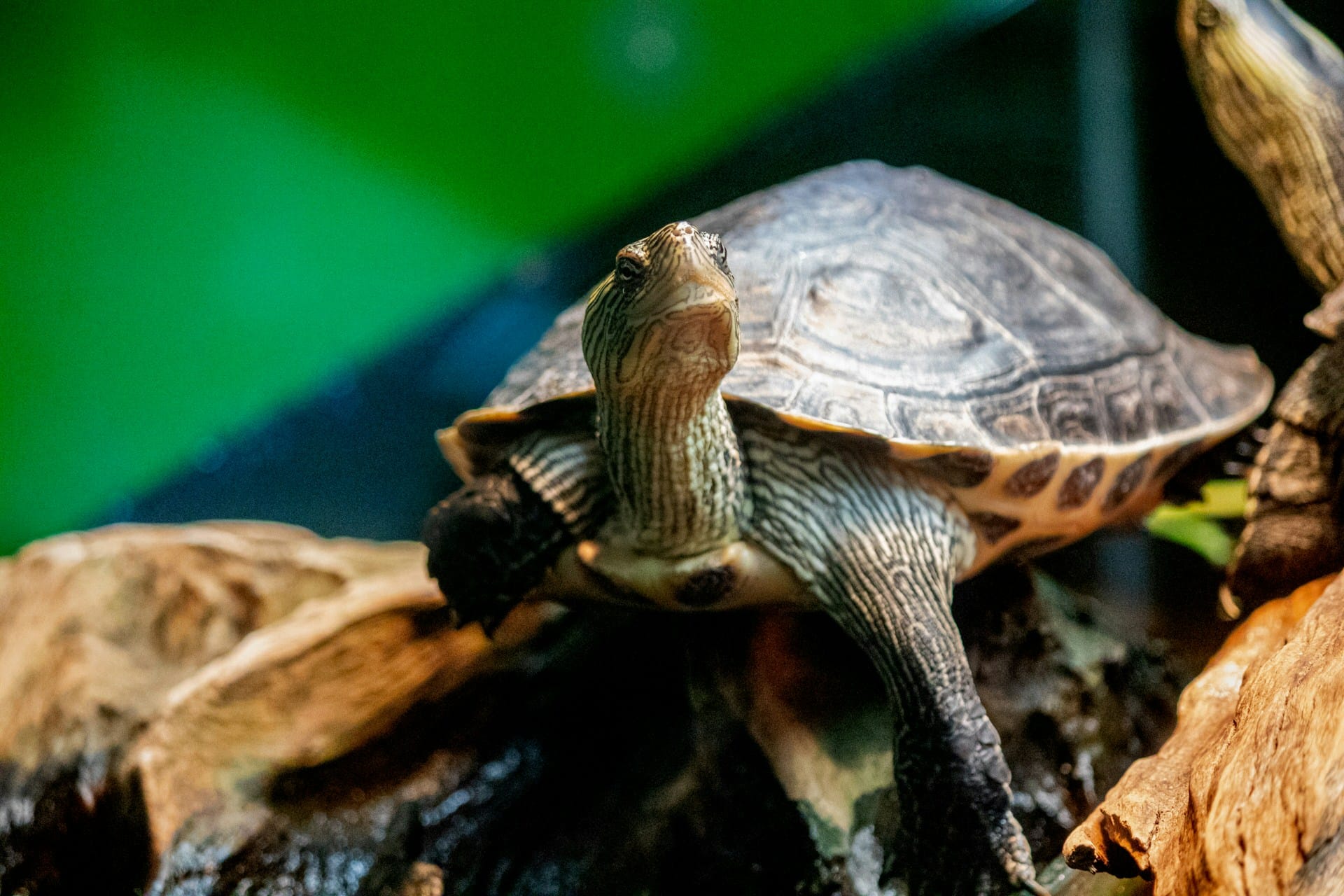
In recent years, pet tortoises have become increasingly popular in Indonesia. Their calm demeanor, long lifespans, and unique appearance appeal to families, expats, and animal lovers looking for a distinctive companion. However, this growing trend brings a responsibility that many new owners underestimate. Tortoises are not low-maintenance pets. Their health and longevity depend entirely on getting their environment right from the start.
Unlike dogs or cats, tortoises are ectothermic—they rely on their surroundings to regulate body temperature and overall health. In Bali’s tropical climate, balancing heat, humidity, and proper housing is essential to prevent common health problems. With proper care, tortoises can live 50 to over 100 years, making them lifelong companions.
Before bringing a tortoise home, it is crucial to understand their specific needs. Many tortoises suffer or die prematurely because owners do not provide the correct enclosure, lighting, or diet. This guide will help you create a healthy, thriving habitat for your pet tortoise and know when to seek professional veterinary care.
Tortoise Species Commonly Kept as Pets
Different tortoise species have different requirements. Some of the most common pet tortoises include:
- Sulcata (African Spurred) Tortoise: One of the largest species, requiring vast outdoor space
- Red-Footed Tortoise: Medium-sized, thrives in humid tropical environments like Bali
- Hermann’s Tortoise: Smaller species, suitable for indoor enclosures with outdoor access
- Russian Tortoise: Hardy and small, popular for beginners
Enclosure Size: The Bigger, The Better
Tortoises need space to roam. To find the absolute minimum space your tortoise needs to walk around, there are two simple math rules based on shell length.
Let’s assume that your tortoise’s shell length is 15 centimeters. Assuming as such the calculations based on this general rule of thumb is as follows:
- The Length Rule: The length of the space must be at least 8 times the length of the tortoise’s shell.
- Calculation: 15 cm × 8 = 120 cm
- The Width Rule: The width of the space must be at least 4 times the length of the tortoise’s shell.
- Calculation: 15 cm × 4 = 60 cm
For outdoor enclosures, larger is always better. Sulcata tortoises, which can reach over 60cm in length, require enclosures measuring several meters across.
Start with the largest enclosure you can manage—tortoises grow, and upgrading later is more expensive and disruptive than planning appropriately from the start.
Indoor Enclosures
For indoor setups, consider:
- Table-style enclosures: Open-top wooden enclosures with high sides prevent escapes while allowing airflow
- Large plastic tubs: Affordable options for smaller species
- Glass terrariums: Only suitable for small species—tortoises can become stressed by glass walls if not properly decorated
Substrate
Choose substrates that retain humidity without becoming soggy:
- Coconut coir (coconut husk fiber)
- Organic topsoil mixed with play sand (70/30 ratio)
- Cypress mulch (good for humid species)
- Avoid: Sand alone (can cause impaction), cedar or pine shavings (toxic)
Hiding Areas
Provide at least one hide box or cave where your tortoise can retreat for security.
Enclosure Requirements
- Solid walls at least 30-40cm high, buried 10-15cm deep to prevent escape
- A secure top (mesh or wire) to keep out dogs, cats, and birds
- A mix of sunny areas and shaded zones throughout the day
- A sheltered area where the tortoise can escape rain
- A shallow water dish for drinking and soaking
Drainage
Good drainage is essential in Bali’s rainy season. Ensure water does not pool inside the enclosure, as constant dampness can cause shell rot.
Heating and Lighting
Tortoises need heat to digest food and stay healthy.
Basking Temperature
- 32°C to 35°C (90°F to 95°F)
- Cool side: 24°C to 27°C (75°F to 80°F)
- Night temperature: Above 18°C (65°F)
UVB Lighting
Tortoises require UVB light for vitamin D production and calcium absorption. Provide a quality UVB bulb for 10-12 hours daily. Without proper UVB, tortoises develop metabolic bone disease, leading to soft shells and deformities.
Feeding Your Tortoise
Tortoises are herbivores. A healthy diet consists of:
- 80-90% dark leafy greens (collard greens, kale, dandelion leaves, endive)
- 5-10% vegetables (squash, bell peppers, carrots)
- 5% fruit (berries, melon—treat only)
- Avoid: Meat, dairy, dog or cat food, avocado, rhubarb, iceberg lettuce (low nutrition)
Calcium and Supplements
- Dust food with calcium powder 2-3 times weekly
- Provide a cuttlebone for gnawing
Fresh Water
Always provide a shallow water dish with clean, fresh water. Tortoises drink and soak to stay hydrated.
Common Health Problems
Watch for these warning signs:
- Soft or deformed shell
- Swollen eyes or discharge
- Loss of appetite
- Lethargy or inactivity
- Respiratory sounds or bubbling from nose
- Diarrhea or abnormal droppings
When to See a Veterinarian
Tortoises require specialized care from a veterinarian experienced in reptile medicine. Seek immediate veterinary attention if your tortoise shows:
- Soft shell or shell deformities
- Swollen eyes or excessive discharge
- Loss of appetite for more than 2-3 days
- Lethargy or unusual hiding
- Any signs of respiratory distress (wheezing, open-mouth breathing)