


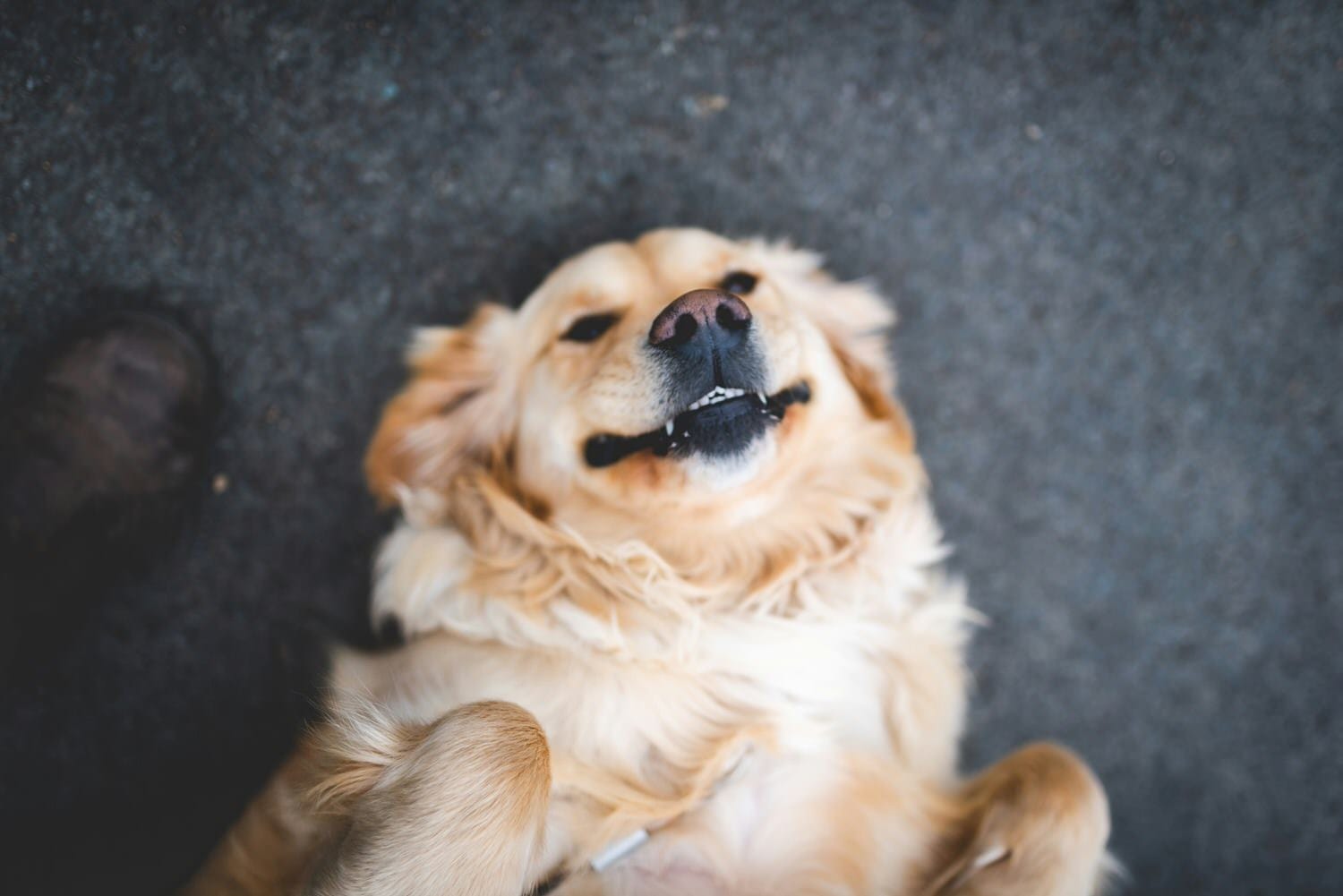
As dogs enter their golden years, we tend to focus on joints and mobility. However, mental health matters just as much. Senior dogs can experience cognitive decline, leading to confusion, anxiety, and changes in behaviour. Keeping their minds active improves quality of life, strengthens your bond, and helps them feel secure as they age.
Why Mental Exercise Matters
A stimulated brain is a healthier brain. Mental decline in senior dogs can appear as disorientation, disrupted sleep, or loss of interest in interaction. These changes are not inevitable—they can be slowed or prevented through regular mental activity. Engaging your dog’s brain also reduces anxiety and prevents destructive behaviours.
Simple Ways to Boost Your Senior Dog’s Brain
Short Training Sessions
Older dogs are often calmer and more focused. Short, positive training sessions keep their brains active. Try teaching new tricks like “touch” or “spin,” practicing old commands, or adding hand signals for a visual challenge.
Puzzle Toys
Interactive toys that dispense treats encourage problem-solving and provide a sense of accomplishment. Start with simple puzzles and increase difficulty gradually.
Enrichment Activities
- Hide treats around the house or yard
- Use licking mats or stuffed Kong toys
- Rotate toys regularly to maintain novelty
Gentle Walks
Walks provide mental stimulation through new sights, sounds, and scents. Allow your dog to sniff—this is how they process the world. For seniors with limited mobility, shorter, more frequent walks still offer valuable enrichment.
Social Interaction
Positive interactions with calm dogs or trusted humans provide mental engagement. Arrange gentle playdates or introduce new people in a safe, low-stress environment.
Nutrition and Brain Health
Diet plays a key role in cognitive function:
- Feed a high-quality senior diet rich in antioxidants and omega-3 fatty acids
- Consider fish oil supplements to support brain health
- Consult your veterinarian for personalized dietary advice
Routine Provides Security
While novelty stimulates the brain, routine provides comfort. Maintain consistent feeding, walking, and sleeping schedules. Introduce new activities gradually to avoid overwhelming your senior dog.
When to See a Veterinarian
Some symptoms warrant professional evaluation:
- Severe disorientation or confusion
- Restlessness or anxiety
- Changes in appetite or sleep patterns
- Loss of house training
- Decreased responsiveness to familiar people
These may indicate underlying health issues requiring medical attention.
Trust Bali Veterinary Clinic for Senior Care
Keep your senior dog’s mind and body healthy with expert guidance from Bali Veterinary Clinic. Schedule a wellness check today.