


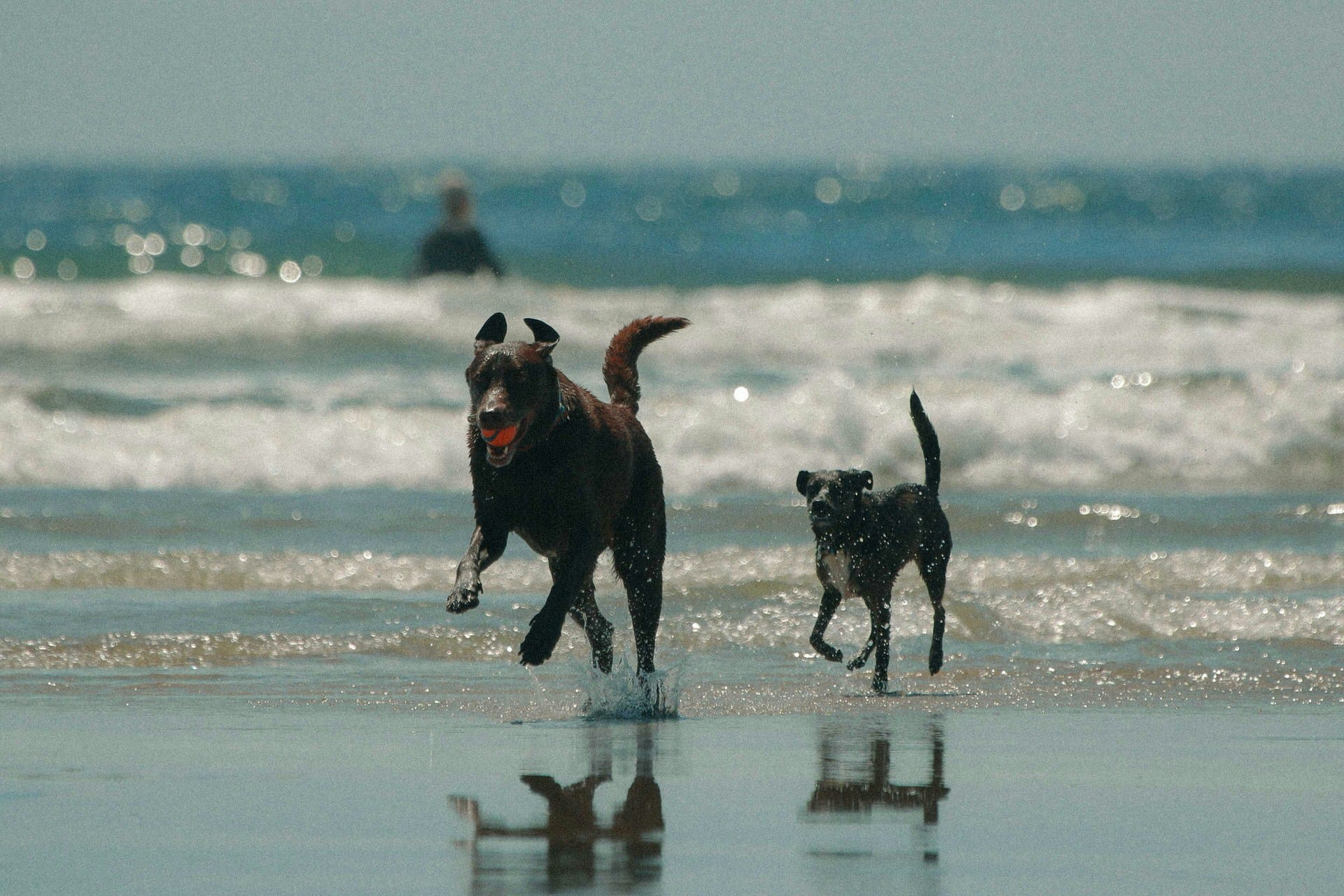
Bali’s dry season brings beautiful sunny days, but it also brings a silent danger for our four-legged companions. Heatstroke is one of the most serious summer emergencies veterinarians face, and it can turn a fun day outdoors into a life-threatening crisis within minutes. Unlike humans, dogs and cats cannot sweat efficiently to cool themselves down, relying instead on panting. When temperatures rise, their bodies can quickly overheat, leading to organ failure and death if not treated immediately.
What Is Heatstroke?
Heatstroke occurs when a pet’s body temperature rises to dangerous levels and cannot cool down naturally. A normal dog or cat has a temperature between 38°C and 39.2°C. When their temperature exceeds 40°C they enter heat stress. At 41°C or higher, they are in full heatstroke, where internal organs begin to shut down.
What Causes Heatstroke in Pets?
Being Left in a Parked Car
This is the most common and tragic cause. On a 25°C day, the temperature inside a parked car can reach 43°C within 10 minutes and 60°C within 30 minutes. Cracking windows makes almost no difference.
Exercise in Hot Weather
Dogs love to play and often refuse to stop even when their bodies are dangerously overheating. Walking or playing fetch during the hottest parts of the day can push a dog into heatstroke without the owner realizing.
Lack of Shade and Water
Pets left outdoors without access to shade or fresh water are at extreme risk. In Bali’s tropical sun, a doghouse can become an oven.
High Humidity
Bali’s humidity prevents effective panting. Panting works by evaporating moisture from the tongue and airways. When the air is already saturated, evaporation slows dramatically, and the pet cannot cool down.
Brachycephalic Breeds
Flat-faced breeds like Bulldogs, Pugs, Boxers, and Persian cats are far more susceptible. Their shortened airways make panting inefficient, leaving them unable to cool themselves effectively.
Underlying Health Conditions
Pets with heart disease, lung problems, obesity, or very young or senior age regulate temperature less effectively.
How Heatstroke Destroys the Body
Heatstroke triggers a cascade of life-threatening events:
- Organ failure: The kidneys and liver are especially vulnerable. Damage can be permanent.
- Brain swelling: High temperatures cause inflammation, leading to seizures and permanent neurological damage.
- Blood clotting problems: Heatstroke can cause uncontrollable bleeding throughout the body.
- Intestinal damage: The gut lining breaks down, allowing bacteria to escape into the bloodstream, causing deadly sepsis.
Recognizing Heatstroke: Signs to Watch For
Early Signs (Act immediately)
- Excessive panting or difficulty breathing
- Excessive drooling
- Bright red gums and tongue
- Restlessness
Moderate Signs (Emergency vet needed)
- Weakness or stumbling
- Vomiting or diarrhea (possibly with blood)
- Disorientation
Severe Signs (Life-threatening)
- Collapse or loss of consciousness
- Seizures
- Blue or purple gums
- Stopped panting (complete system failure)
What to Do If You Suspect Heatstroke
Your actions in the first minutes can determine whether your pet lives or dies.
- Move your pet to a cool, shaded, or air-conditioned area immediately.
- Begin cooling using cool (not cold) water. Ice-cold water causes blood vessels to constrict, trapping heat inside. Wet towels and place them on the neck, armpits, and groin. Replace them frequently as they warm up.
- Offer small amounts of cool water if your pet is alert. Do not force water into an unconscious animal.
- Get to Bali Veterinary Clinic immediately. Even if your pet seems to recover, internal damage may still be developing.
What NOT to Do
- Do not use ice or ice-cold water
- Do not delay veterinary care
The Danger Cannot Be Overstated
Heatstroke kills quickly. Without prompt treatment, more than 50% of dogs with severe heatstroke die. Survivors may face lifelong complications: chronic kidney disease, permanent brain damage, or heart problems.
Prevention Is Your Best Protection
- Never leave your pet in a parked car, not even for “just a minute”
- Walk dogs only during early morning or late evening when temperatures are cooler
- Always provide fresh, cool water and shade
- Avoid exercise during the hottest parts of the day (10 AM to 4 PM)
Trust Bali Veterinary Clinic for Emergency Care
If your pet shows any signs of heatstroke, do not wait. Time is measured in minutes, not hours. At Bali Veterinary Clinic, our team is equipped to handle heatstroke emergencies with rapid cooling protocols and intensive care.
Save our emergency numbers now—you hope you never need them, but you’ll be grateful if you do.
Bali Veterinary Clinic Contacts:
- Pererenan: 0811 389 3171
- Sanur: 0811 389 3170
- Tabanan: 0819 9332 8888
Heatstroke is a medical emergency. This article provides guidance, but immediate veterinary care is essential for any suspected case.